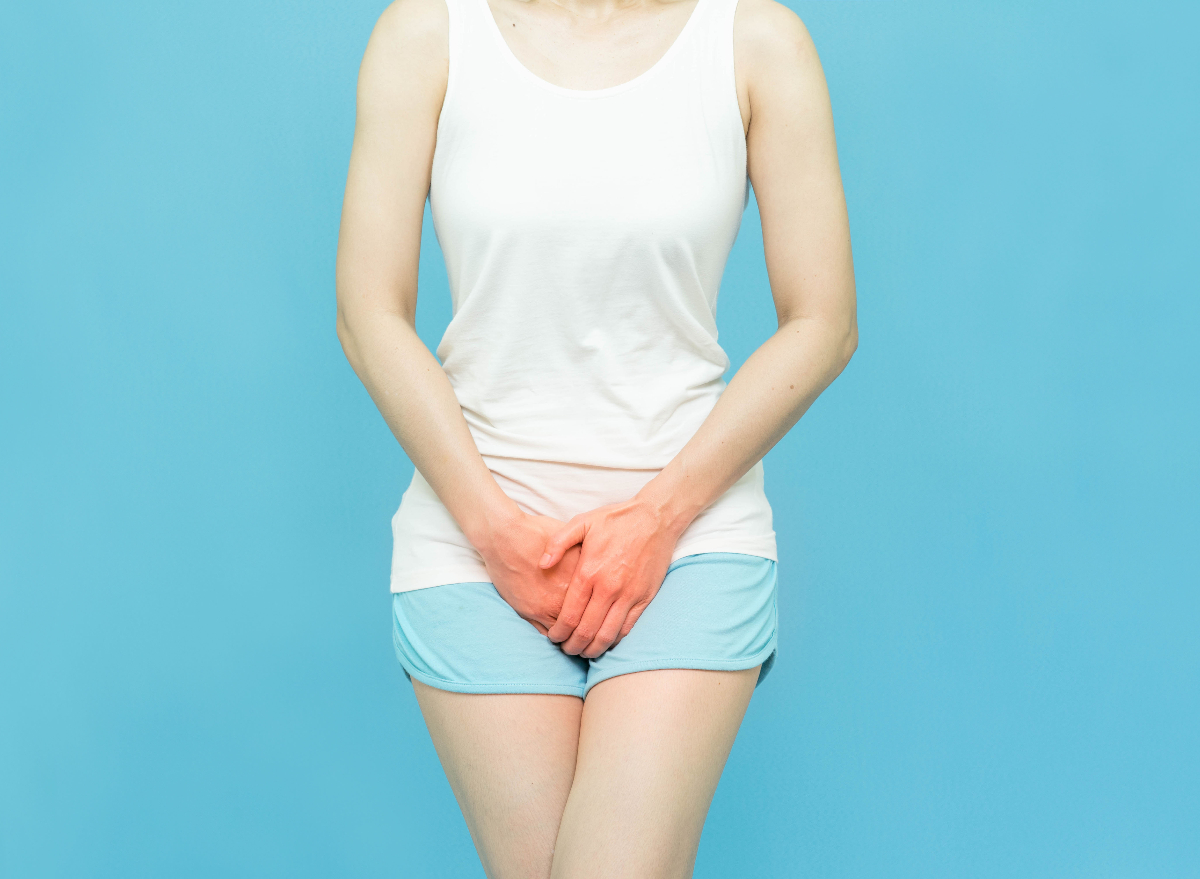

Over Active Bladder And Urinary Incontinence: What To Recognize Tension incontinence happens when pee leaks during coughing, giggling or workout since the urethra does not function properly. Urge incontinence includes the unexpected feeling of the need to urinate that can be hard to postpone-- the sudden desire to go. Advise incontinence is characterized by an abrupt, intense desire to pee, adhered to by an uncontrolled loss of urine. Whether it's a couple of decreases of dripping pee or a full draining of the bladder, urinary incontinence is a bladder control problem that women are two times as most likely to have as men. And by the time a womanhas made a consultation to talk about what she's handling, she has had sufficient. As there are many different kinds of urinary system incontinence which share the exact same signs and symptoms, it is important to get an accurate diagnosis to make certain that the proper treatment is selected.
Treatment Choices
Mirabegron is made use of to deal with overactive bladder (urgency with or without desire urinary incontinence and generally with urinary system regularity). Urinary incontinence considerably reduces lifestyle by triggering embarrassment, stigmatization, seclusion, and anxiety. Many older patients are institutionalized since urinary incontinence is a worry to
Get more info caregivers. In bedbound people, pee irritates and macerates skin, contributing to sacral stress ulcer development.
Therapy Can Assist You Take Control Of Your Signs
In the other treatment, a slim needle is inserted near a nerve in the ankle. Mild electric signals are sent with the cable or needle to the nerves that influence your bladder. Stress And Anxiety Urinary System Incontinence (SUI) happens when pee leaks during workout, coughing, sneezing, chuckling or any activity that puts stress (anxiety) on the bladder. Franklin County Medical Facility (FCMC) is your neighborhood center for country and vital medical care accessibility for Southeastern Idaho, given that 1929.
Exactly how do you understand if you have tension or advise urinary incontinence?
- In fact, according to the Urology Treatment Foundation, as many as 30% of guys and 40% of ladies in the USA deal with symptoms of OAB.
- Medicines (see table Medicines Utilized to Deal With Incontinence) must supplement, not change, behavior modifications.
- On the other hand, incontinence creates somebody to unwillingly leakage urine.
- The underlying reason for stress urinary incontinence is various from that of UUI.
- Cystoceles in women are treated with surgical treatment or can be minimized using a pessary; independent suture elimination or urethral adhesiolysis might be effective if cystoceles resulted from surgery.
If Kegel workouts are not effective, minimally intrusive types of therapy are available. Urethral injections utilizing collagen, Coaptite ® (calcium-based product), or silicone might use 60-70% enhancement with an initial shot. Minor difficulties include short-term urinary system retention, frequency, seriousness, burning, or failing where a second or 3rd injection is needed. Commonly, this approach is made an application for a poor surgical candidate or for somebody who wish to avoid making use of a sling. Injections may also be made use of adhering to a sling if additional therapy is required. Other danger aspects that can worsen it include persistent coughing, smoking cigarettes, and weight problems. The root cause of anxiety incontinence is compromised muscle mass in and around the urinary system. It's called tension incontinence since it's caused by physical stress on your bladder. There are a number of types of incontinence but urge and tension are the two most typical key ins ladies. Urinary incontinence is a signs and symptom of a medical concern, and therapy depends upon the underlying issue or problem. If you're having troubles controlling your pee and aren't certain why, chances are you're dealing with some type of urinary incontinence. It's approximated that between 25-33% of Americans manage some form of urinary incontinence. Urinary system urinary incontinence and OAB are two of one of the most common problems that can influence regular peeing. Drugs may also be needed, as may recurring self-catheterization (eg, when postvoid residual volume is huge). Infrequently, sacral nerve excitement, intravesical treatments, and surgery are used. In more youthful individuals, self-limited conditions such as urinary system tract infection or vaginitis may create transient urinary incontinence. In such instances, urinary incontinence usually begins all of a sudden, might cause little leakage, and typically solves quickly with little or no therapy. One of the most generally utilized are oxybutynin and tolterodine; both are anticholinergic and antimuscarinic and are readily available in extended-release forms that can be taken orally daily. Oxybutynin is available as a skin spot that is transformed two times a week as well as in topical gels that are put on the skin daily. Effectiveness and adverse impacts are similar to those of oxybutynin, yet long-lasting experience is limited. Thinning of urethral and genital epithelium and submucosa may create regional irritability and decrease urethral resistance, size, and optimum closure stress with loss of the mucosal seal. In postmenopausal ladies, decreased estrogen degrees lead to atrophic urethritis and atrophic vaginitis and to decreasing urethral resistance, length, and maximum closure pressure. Your physician must ask concerns, like for how long the leak has actually been happening, just how bad it is, and exactly how it influences your life. If you have actually ever before asked yourself why you pee when you laugh, pee when you cough, or pee when you exercise-- that's tension urinary incontinence. Absorbent pads, unique undergarments, and intermittent self-catheterization may be required. Occlusive tools might be used in older females with or without bladder or uterine prolapse if medical risks are high or if prior surgery for tension incontinence was ineffective.